
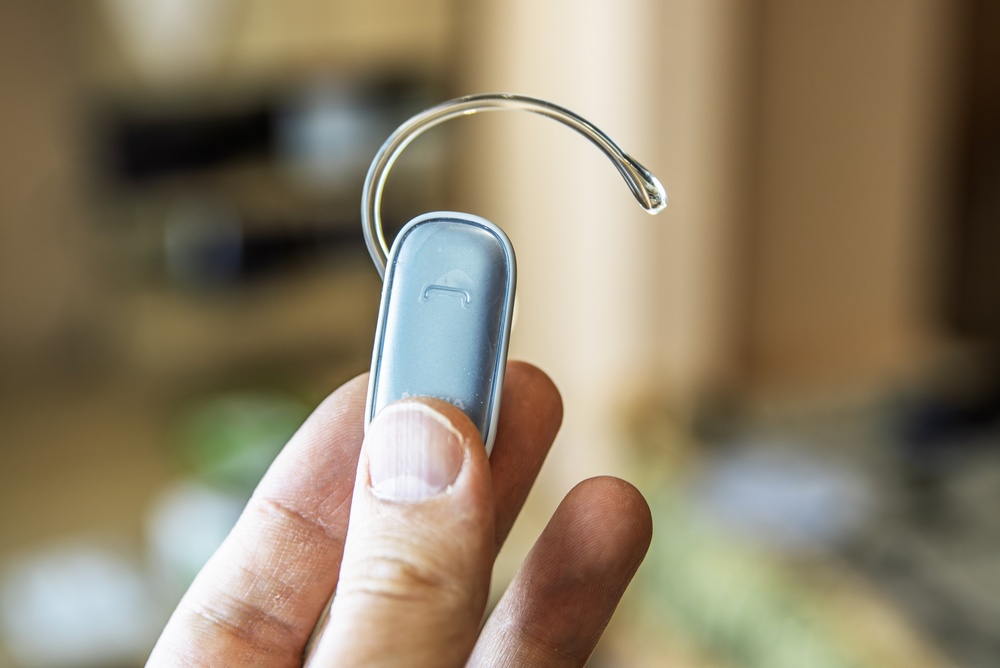
Two hearing aids that look identical can differ in price by more than $1,500, and most of that difference comes from the software inside.
Today’s hearing aids can sense a noisy room and adjust before you reach for a button. Many newer models use artificial intelligence, trained on millions of sound samples, to handle those changes quietly in the background.
If you are exploring AI hearing aid technology in McLean, VA, this guide walks through how digital and AI hearing aids differ, which advanced features make the biggest difference in everyday listening, and what prescription hearing aids cost.
Digital vs. AI Hearing Aids: What Are the Differences?
Nearly every modern prescription hearing aid is digital, but not every digital hearing aid uses AI. The core difference is how each one decides what to amplify and how it handles a noisy room.
How Digital Hearing Aids Process Sound
Fully digital hearing aids first reached the market in the mid-1990s, and digital processing now sits at the core of prescription devices.
A small computer chip, programmed to your hearing, analyzes incoming sound. It then amplifies each sound based on how loud it is and what type it is, so speech, traffic, and a barking dog each get different treatment. The National Institute on Deafness and Other Communication Disorders offers a helpful overview of how hearing aids work.
What AI Adds to Digital Processing
Traditional digital processing relies on preset rules to sort listening environments into categories. AI models learn from millions of everyday sound samples instead.
In 2020, Oticon introduced the first hearing aid to use a deep neural network to improve speech understanding. Deep neural networks now run directly on the hearing aid’s chip, and Starkey and Signia run four neural networks at once, each handling a different part of the job.
Their main task is pulling speech forward from background noise. Quiet rooms rarely put a hearing aid to the test, but in a crowded space that separation can reduce the effort it takes to follow what people say.
How Is Artificial Intelligence Changing Modern Hearing Aid Technology?
Because AI does the adjusting for you, your attention stays free for the people and moments you care about. A few core changes explain most of what it brings to everyday listening.
From Fixed Programs to Automatic Adjustments
Earlier devices stored a handful of fixed settings, and you chose among them. AI models recognize the room as you move from quiet to busy spaces and adjust automatically.
Oticon’s Intent goes a step further, reading head and body movement to judge who you are trying to hear.
Hearing Aids That Learn Your Habits
Some models also learn from the volume changes and program choices you make. Over time, those patterns shape how the hearing aid responds in familiar places. A golfer or choir member, for example, may find settings that adapt to those routines.
Which Advanced Hearing Aid Features Can Improve Speech and Everyday Listening?
A single day can move you from a quiet kitchen to a windy sidewalk to a dinner table full of voices. The best AI hearing aids carry features built for each of those moments, and the right choice depends on which ones match the way you spend your day.
Keeping Up with a Moving Conversation
Group conversations rarely stay still, as people shift seats and take turns speaking. Signia’s RealTime Conversation Enhancement tracks several moving speakers at once.
Signia’s newest models also recognize when you are the one talking, so your own voice can be handled separately from everyone else’s.
Soft Speech, Sudden Sounds, and Wind
Soft speech is easy to miss, especially from across a room. Oticon’s second-generation neural network is designed to improve access to quiet voices in difficult settings.
Sudden clatter and gusts of wind can drown out a conversation. Features such as Oticon’s SuddenSound Stabilizer and Phonak’s WindBlock are designed to soften those interruptions.
Streaming That Brings Sound Straight to You
Bluetooth models carry phone calls into your hearing aids, and many support hands-free calling. Television adapters stream TV audio to your hearing aids at the volume you choose.
Newer models can also join Auracast broadcasts, which some venues use to share audio at events such as concerts and tours.
Not every model includes every feature, and some appear only at higher technology levels. That is one of the biggest reasons prices vary.
How Much Do Advanced Prescription Hearing Aids Cost in McLean, VA?
Price guides for prescription hearing aids show a wide range. Most pairs fall between about $2,000 and $6,000, with some premium models running above $8,000.
Style plays a part too, because smaller, less visible devices often cost more than larger ones.
Why Technology Level Drives the Price
Brand alone does not set the price. Within one product family, the same device is often sold at several technology levels.
Oticon’s Reveal, for example, comes in four levels that share the same hardware and look. Higher levels add stronger AI noise reduction and more ways to adapt as rooms change. A quieter lifestyle may not call for the top level, while frequent group settings may justify it.
The line between digital and AI pricing is also blurring. Oticon’s Jet PX brings AI-powered processing to an entry-level price.
What Your Price Often Includes
At ENT & Facial Plastic Surgery, prescription hearing aids come with follow-up training, cleaning, and adjustments. That care is part of the value you receive.
Supplies and maintenance can still add to the overall cost over time, so asking what a quoted price covers makes those costs easier to plan for.
Insurance and Financing Options
Medicare Parts A and B, along with many insurance plans, do not cover hearing aids. Flexible spending or health savings accounts may help.
Office staff check your benefits for you when you buy, and CareCredit financing is available for costs that insurance does not cover.
Why the Right AI Hearing Aid Starts with an Audiologist
AI builds on the baseline an audiologist programs from your hearing test results, so the process starts with a thorough look at your hearing.
At ENT & Facial Plastic Surgery, practice owner Dr. Ednan Mushtaq and his ENT team first check for any treatable cause of hearing loss. An audiology evaluation then measures your hearing.
During a one-hour hearing aid evaluation, audiologists Dr. Alice Wilson and Dr. Valerie Monks talk through your routine and budget alongside your results. They recommend a digital or AI model with the features you need, then set how strongly the AI responds during your hearing aid fitting.
Still deciding whether you need a prescription device at all? Our guide to prescription vs. over-the-counter AI hearing aids explains the differences.
Find the Right AI Hearing Aid Near McLean and Tysons Corner, VA
Whether you need dependable digital processing or the latest AI, the right choice starts with your test results. The practice carries hearing aids at many price points, so you can put your budget toward features you will use every day.
To explore AI hearing aid technology in McLean, VA, with an experienced audiologist, schedule an appointment online, send the office a question, or call 703-448-0005.