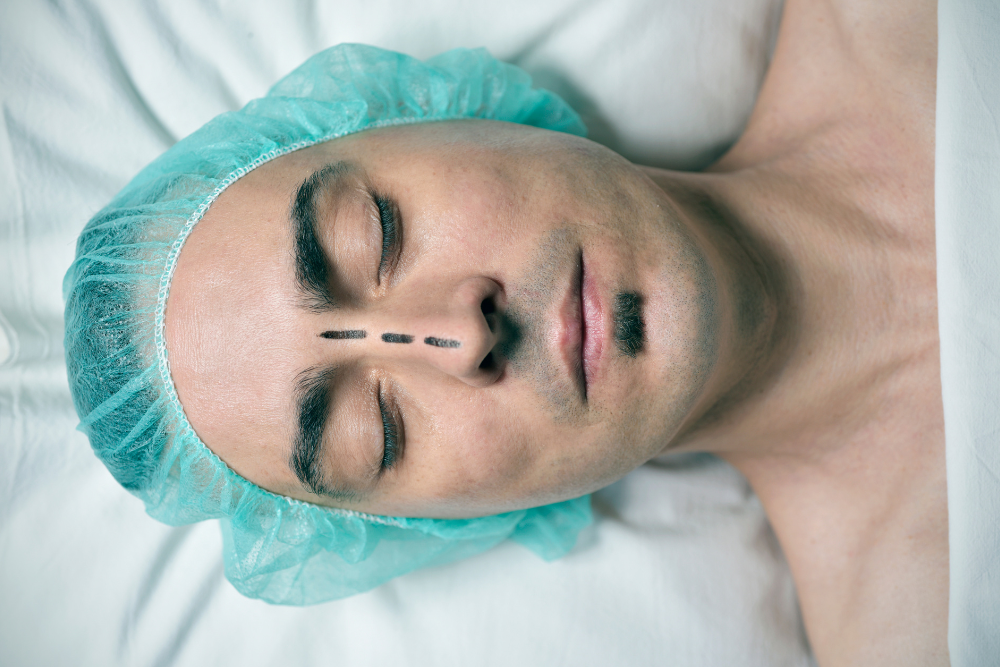
A nasal obstruction can dramatically impact your comfort and health, making it important to explore effective options for relief. Deviated septum surgery in McLean by a qualified ENT specialist addresses this troubling condition.
Read on to learn valuable insight into treatment and what to expect.
A Deviated Septum: Key Facts and Common Signs
When the cartilage and bone that divide the nasal cavity shift from the center, affecting airflow and overall function, this results in a deviated septum.
Patients often notice difficulty breathing through one or both nostrils, frequent nosebleeds, and recurrent sinus infections.
Some may also experience snoring or sleep disturbances as a result of impaired airflow.
Clinical Assessment: How a Provider Confirms a Diagnosis
Identifying a deviated septum typically begins with a thorough medical history review and discussion about symptoms.
An ENT specialist performs a physical examination using a nasal speculum or endoscope (thin, flexible tube with a camera at the end) to inspect the septum’s alignment and check for restrictions.
In some cases, imaging studies like a computerized tomography (CT) scan may be recommended to further evaluate the nasal passages and surrounding sinus cavities.
These diagnostic steps allow providers to determine the severity of the deviation and determine the safest, most appropriate management or surgical options.
Septoplasty: Deviated Septum Surgery in McLean
This procedure involves carefully repositioning or removing portions of the nasal septum to improve airflow and correct structural irregularities.
Treatment focuses on relieving blockages and restoring balanced nasal function.
Surgeons often combine septoplasty with techniques such as turbinate reduction (decreasing the size of enlarged bony structures inside the nose) or other methods to optimize breathing outcomes.
The Recovery Process: Timeline and Care Tips
Following deviated septum surgery in McLean, there is an initial healing period of one to two weeks, during which swelling, mild discomfort and congestion are common.
Patients should adhere to their provider’s aftercare guidelines that may include:
- Keeping the head elevated while resting to reduce swelling.
- Avoiding strenuous activities, heavy lifting, and bending over.
- Following prescribed nasal rinses or saline sprays to keep nasal passages clear.
- Not blowing the nose during the first week to prevent irritation or bleeding.
- Attending follow-up appointments to monitor healing and address concerns.
Full recovery can take up to 12 weeks, and results are considered permanent.
Suspect a Deviated Septum? Schedule an Evaluation at ENT & Facial Plastic Surgery Today!
If left untreated, nose and sinus issues can become serious. Don’t take that chance.
Call us at 703-448-0005 to book your appointment with a specialist to receive the top-tier care you deserve.