
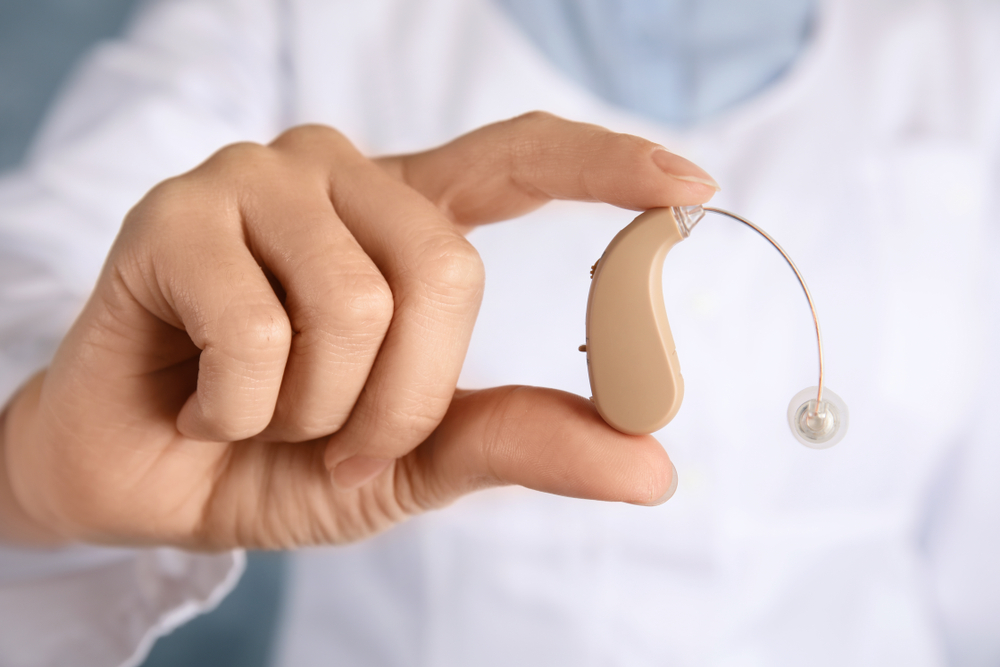
Hearing aid troubleshooting can become necessary the minute your device starts acting more dramatic than helpful.
- Maybe the sound keeps cutting out.
- Maybe everything is whistling.
- Maybe the volume has vanished into thin air.
Whatever the issue, when your hearing aid stops cooperating, a troubleshooting appointment can help get things back on track without sending you into a full-blown technology spiral.
Why Hearing Aid Troubleshooting Matters
Hearing aids are tiny devices doing a pretty big job, so even small issues can make a noticeable difference. A little moisture, wax buildup, a battery problem, or a worn part can affect performance fast.
The frustrating part is that many of these problems sound the same to the person wearing them. Everything just seems off. Troubleshooting helps identify what is actually wrong instead of leaving you stuck in guessing mode.
Common Problems That Deserve a Check
Some hearing aids start sounding weak or distorted. Others produce feedback, stop connecting properly, or turn on only when they feel like it. Not exactly ideal.
If your device suddenly feels uncomfortable or no longer seems to help the way it should, that is another sign it is time for a professional look. Tiny device, big attitude, apparently.
What Happens at a Troubleshooting Visit
A troubleshooting appointment may include checking the device, cleaning it, inspecting the components, and determining whether the issue can be resolved in the office or needs further repair.
It is also a good time to ask questions about maintenance, upkeep, and how to avoid repeat problems.
Sometimes the fix is simple. Sometimes it needs a little more work. Either way, you get a clearer answer.
Stop Fighting with Your Hearing Aid
When your device is not doing its job, everyday communication gets harder fast. Scheduling help for hearing aid troubleshooting can save time, reduce frustration, and help you hear more comfortably again.
To book an appointment, contact ENT Facial Plastic Surgery at 703-722-7600.